In the quest for quick and convenient skincare, makeup wipes often seem like a miracle solution. However, if you’re wondering, Are makeup wipes bad for your skin? it’s time to take a closer look. While these wipes offer a fast fix, they fall short in several crucial areas.
Understanding why makeup wipes may not be the best choice for maintaining healthy skin can lead to better skincare habits and ultimately, a clearer complexion.
The Limitations of Makeup Wipes
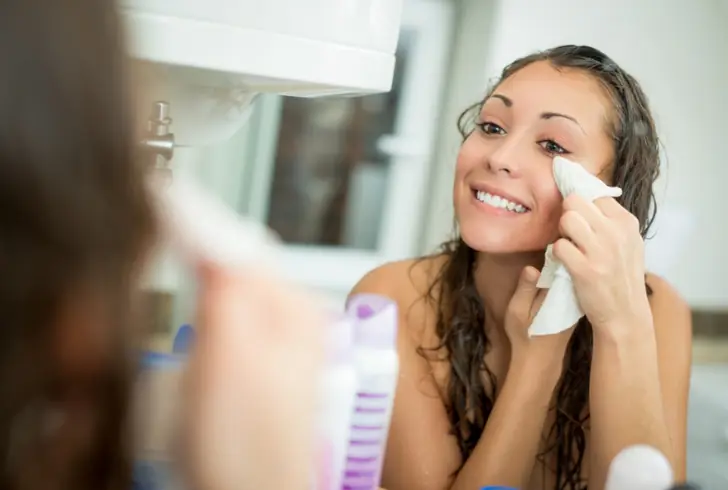
Makeup wipes are often seen as a quick fix for a long day. It’s tempting to swipe one across your face and think of it as a solution to your cleansing needs. However, this method is akin to using a towel to clean a spill instead of addressing the source of the mess. Makeup wipes merely remove surface-level impurities, leaving behind a layer of residue that can hinder your skin’s health over time.
The Environmental Impact of Makeup Wipes
Another important consideration is the environmental toll of makeup wipes. Many of these products are not biodegradable, which means they contribute to landfill waste. As the wipes don’t break down easily, they add to the growing issue of environmental pollution.
Are Makeup Wipes Bad for Your Skin? Understanding the Risks
Despite their convenience, makeup wipes often fall short in delivering a thorough cleanse. Here’s why:
1. Limited Cleansing Power
Makeup wipes may make your skin look clean on the surface, but they don’t offer a deep clean. They remove only the top layer of makeup and impurities, leaving behind trapped debris in your pores. This buildup can lead to dull skin, blackheads, and breakouts. Over time, these issues can become more pronounced as the residue accumulates.
2. Harsh Ingredients and Residual Effects
Makeup wipes often contain surfactants—cleansing agents that can be too harsh for sensitive skin. These agents may not be fully rinsed off, potentially causing irritation or exacerbating existing skin conditions. Prolonged use without proper rinsing can strip the skin of its natural oils, leading to dryness and sensitivity.
3. The Strain on Delicate Areas
Removing mascara and other eye makeup with wipes can be particularly damaging. The gentle skin around the eyes is often subjected to unnecessary pulling and tugging, which can cause irritation and lead to the loss of eyelashes. Using wipes on these sensitive areas can be likened to trying to fix a delicate item with a heavy-handed approach—results in more harm than good.
Alternatives to Makeup Wipes

For those wondering if there are better options, consider these alternatives:
- Cleansing Balms or Oils – These effectively dissolve makeup and grime, allowing for a thorough cleanse when rinsed away with water.
- Micellar Water – This is gentle on the skin and can remove makeup and impurities without the need for harsh rubbing.
Developing Better Skincare Habits
If you find yourself frequently reaching for makeup wipes, it might be time to adjust your routine. Establishing a regular cleansing ritual can make a significant difference in skin health. Cleansing your face thoroughly with a suitable product and following up with a gentle rinse ensures that your skin is not only clean but also refreshed and rejuvenated.
The answer to the question are makeup wipes bad for your skin is a resounding yes. Their convenience doesn’t outweigh the potential risks to your skin’s health. For a truly clean and healthy complexion, consider alternative methods that offer a more thorough cleanse without the drawbacks associated with makeup wipes. Making the switch can lead to clearer, more radiant skin and contribute to better environmental practices.