
Sardines, often overlooked as a humble pantry staple, are gaining attention as a potent ally for skin health. These small, oily fish are now being called “nature’s multivitamin” or even “nature’s Botox” by some online communities.
While they won’t give a flawless “glass skin” overnight, their nutritional profile supports skin resilience and overall wellness in ways that extend beyond superficial beauty.
Social media has played a big role in their rising popularity. TikTok creators like Jacqueline Vignona, who showcases the “sardine glow salad,” describe them as a secret to radiant skin. Influencers such as @ally.renee1 highlight sardines as a functional food for enhancing appearance, integrating them into trendy “girl dinner” boards or snacks.
This surge in popularity reflects a convergence of three trends: eating nutrient-dense foods, skin-care-inspired diets, and social media-driven food experimentation.
Nutrients That Benefit Skin
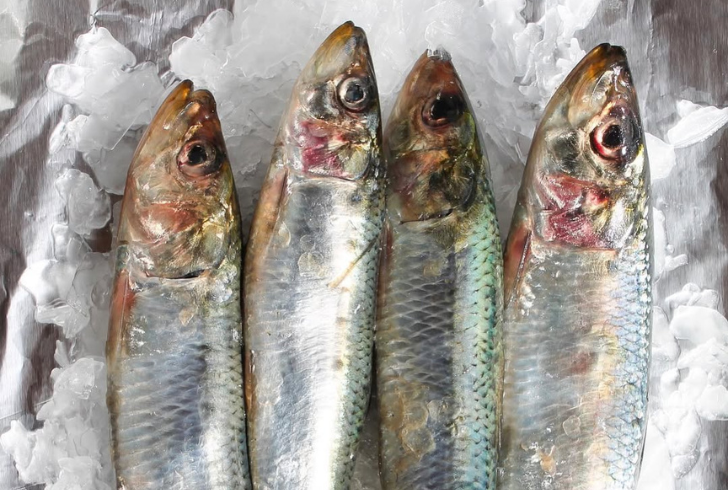
Instagram | @montereyfishmarket | Sardines support skin health because their omega-3 nutrients reduce inflammation and protect the skin from damage.
Sardines are rich in protein, calcium, and vitamin D, but omega-3 fatty acids stand out as the key component for skin health. These essential fats, which the body cannot produce on its own, include eicosapentaenoic acid (EPA) and docosahexaenoic acid (DHA).
Shira Wieder, MD, emphasizes the role of omega-3s in protecting skin from inflammation and UV-induced collagen damage. Found in sardines, these fats help maintain dermal structure and reduce premature aging. Sardines also support cardiovascular and cognitive health, along with fetal brain development during pregnancy.
Sardines and Skin Conditions
Omega-3s’ anti-inflammatory qualities may help with acne, psoriasis, rosacea, and atopic dermatitis. While sardines aren’t a substitute for treatment, incorporating them into a diet may modestly improve inflammation-related skin issues.
Comparing Sardines to Other Foods
Other omega-3 sources include salmon, mackerel, anchovies, herring, walnuts, chia, and flaxseeds. Sardines stand out for higher EPA and DHA content, improving absorption and skin protection.
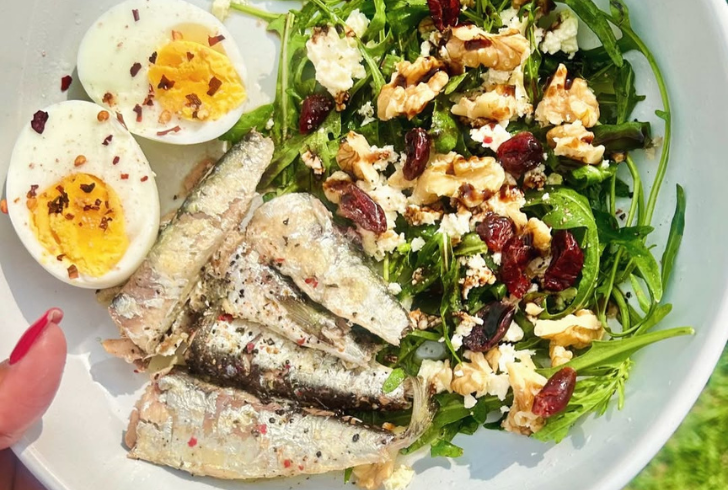
Instagram | @dudu_kgoebane | Sardines support healthy skin and wellness, but they work best as part of a balanced and nutritious lifestyle.
One can of sardines provides about 0.9 grams of combined EPA and DHA. Hitting the recommended five grams daily from sardines alone would require roughly five cans—impractical and potentially unsafe due to sodium, purines, and heavy metals. Two to three servings weekly provide meaningful omega-3 benefits.
Understanding the Limits
Sardines support skin health but won’t erase wrinkles or undo sun damage. Combined with sunscreen and a healthy lifestyle, consistent omega-3 intake offers the best protection. They’re a functional food for long-term wellness, not a quick-fix beauty solution.