Your Sleep Profile Reveals Key Clues About Health and Mind, Study Finds
A good night’s sleep does more than just lift your mood or help you power through the day. According to new research, the way you sleep over time—your sleep profile—can reveal surprising insights about your health, behavior, and even how your brain functions.
The study, published in PLOS Biology by researchers at Concordia University in Montreal, highlights that not all sleep patterns are the same—and understanding yours could be the key to better well-being.
The Science Behind Your Sleep Profile
The research analyzed the sleep data of 770 young adults, ages 22 to 36, who were considered healthy and had no diagnosed psychiatric conditions. Data came from the Human Connectome Project, which explores how various regions of the brain connect and communicate.
Participants completed the Pittsburgh Sleep Quality Index, a questionnaire that records sleep habits and quality over the previous month. In addition, they underwent functional MRI scans to map brain activity. This multidimensional approach gave researchers a deeper view of how biological, psychological, and social factors combine to shape individual sleep profiles—what they call “sleep-biopsychosocial profiles.”
Valeria Kebets, co-author of the study and manager of machine learning projects at Concordia’s Applied AI Institute, explained that people often underestimate how critical sleep is:
“People should treat their sleep seriously. It affects everything in their daily functioning.”
By examining 118 biopsychosocial measures—including cognition, demographics, personality traits, and substance use—the researchers identified five unique sleep profiles, each tied to different patterns of brain connectivity and emotional well-being.
Here are the five unique sleep profiles identified in the study:
1. Poor Sleep and Mental Health

Freepik | Individuals with poor, disturbed sleep reported higher levels of fear, stress, and anger.
This group showed lower sleep satisfaction, took longer to fall asleep, and reported frequent disturbances. These individuals often felt fear, stress, and anger, and experienced daytime fatigue and impaired focus.
Their results revealed a strong association between poor sleep and mental health issues such as anxiety, depression, and internalized emotional struggles. J. Todd Arnedt, director of the Behavioral Sleep Medicine Program at the University of Michigan, noted:
“Bad sleep begets poor mental health. Poor mental health begets bad sleep.”
This profile underscores the two-way relationship between emotional stability and rest quality.
2. Sleep Resilience and Mental Health
Surprisingly, the second group experienced emotional distress—like sadness or inattention—yet didn’t report significant sleep issues. Despite mental health challenges, they functioned well during the day, leading researchers to label this phenomenon “sleep resilience.”
According to Kebets, some individuals may experience sleep misperception—believing they sleep fine when, in reality, stress or anxiety affects their rest.
“Sometimes when you have symptoms of anxiety or depression, you’re not sleeping as well as usual, but you may not acknowledge it because other issues dominate your attention,” she said.
3. Sleep Aids and Sociability
This group relied on hypnotics or sleep aids to rest but reported strong social satisfaction. They had close friendships, emotional support, and felt less social rejection.
However, these individuals showed weaker emotional recognition and lower visual episodic memory, suggesting that while social life and medication help sustain rest, they might subtly impact cognitive functions tied to emotion and recall.
4. Sleep Duration and Cognition
People who slept fewer than six to seven hours per night displayed lower agreeableness and higher aggression. Cognitive tests revealed that these short sleepers performed worse in problem-solving and emotional processing tasks, suggesting that chronic sleep restriction can dull both intellect and empathy.
The study found that insufficient sleep impacts fluid intelligence—the ability to adapt and solve new problems—which can quietly erode mental sharpness over time.
5. Sleep Disturbances and Mental Health
The final profile involved frequent sleep disturbances—from pain and breathing issues to nighttime awakenings, temperature fluctuations, and frequent urination. These individuals often struggled with anxiety, substance use, and thought-related problems.
Their results revealed poorer language processing and cognitive performance, alongside increased aggression and stress reactivity. This group highlights how physical discomfort can cascade into emotional and mental health challenges.
Why Sleep Profiles Matter
The study’s findings go beyond surface-level sleep habits. They demonstrate that rest is deeply woven into mental, emotional, and physical health. Each profile provides a framework for understanding how sleep interacts with lifestyle, environment, and personality traits.
However, researchers acknowledged a few limitations. The participants were mostly young, white, and healthy, with many being siblings or twins. The data also reflected only one month of sleep behavior, offering a snapshot rather than long-term patterns.
J. Todd Arnedt pointed out that people’s sleep categories could shift over time:
“If you looked at these same people a year later, they may fall in totally different categories.”
That means a stressful season, new habits, or life changes can temporarily alter someone’s sleep profile.
Expert Insights on Personalized Sleep Care
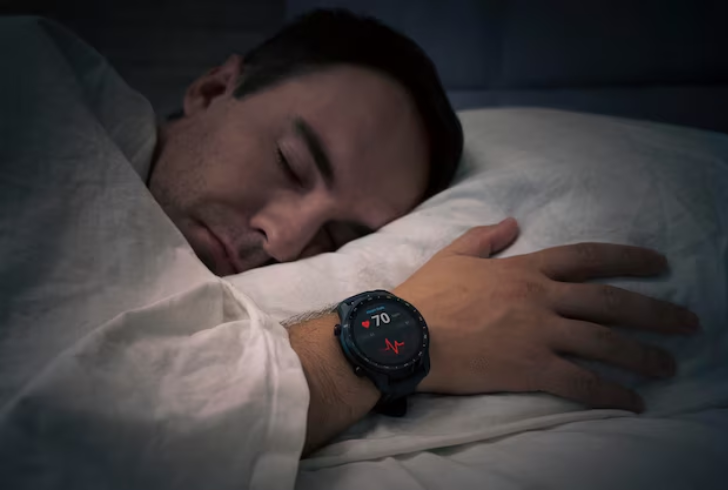
Freepik | MrDm | Personalised sleep care can boost health and prevent future problems.
Sleep specialists believe that recognizing multiple sleep profiles can transform how clinicians approach diagnosis and treatment.
Dr. Phyllis Zee, director of the Center for Circadian and Sleep Medicine at Northwestern University, emphasized the importance of viewing sleep holistically:
“We really need to consider multiple sleep profiles in our research and clinic — the value of a multidimensional approach to data.”
Dr. Rafael Pelayo, from Stanford University’s Division of Sleep Medicine, added that understanding these profiles could help identify who is most at risk for sleep disorders before they become severe.
“Sleep is a more complex issue than just how much time you spend in bed,” he said. “If I can improve your sleep, it benefits not just mental health but physical health as well.”
The Broader Impact of Sleep on Health
This research highlights that sleep affects far more than energy levels. Ongoing disturbances can increase the risk of immune issues, mood disorders, and neurodegenerative diseases such as Alzheimer’s and Parkinson’s.
Dr. Phyllis Zee noted that when the brain’s natural rhythms are disrupted, it can trigger inflammation and long-term cellular stress. Paying attention to your sleep profile can help identify these imbalances early, offering a clearer view of overall health.
As Dr. Rafael Pelayo put it, there’s reason for optimism:
“Nobody should be condemned to sleep poorly the rest of their lives.”
Understanding and improving your unique sleep pattern may be one of the most practical ways to strengthen both mental and physical well-being.