What Is Skin Fasting — And Can It Improve Your Winter Skin?
Every winter brings a familiar struggle, dry, flaky, and sensitive skin that no amount of moisturizer seems to fix.
Recently, a trend called skin fasting has caught attention for promising a more natural glow by doing less. Yet, many wonder if taking a break from skincare products can really help the skin heal or if it’s just another social media craze.
Dermatologists shed light on how this approach works and who might benefit from it.
What Skin Fasting Really Means
According to dermatologist Dr. Abhishek Pilani, skin fasting isn’t about ditching skincare completely. It’s a controlled, short-term pause from certain high-strength products that may overwork or irritate the skin.
He explains, “Skin fasting gives the skin time to stabilize by pausing non-essential actives like retinoids, acids, or strong vitamin C serums.”
The goal isn’t neglect but balance. Instead of applying multiple serums or exfoliating daily, the focus shifts to letting the skin recover naturally. Dr. Pilani adds that essential products like a gentle cleanser, hydrating moisturizer, and daily sunscreen should always stay in the routine.
In short, skin fasting isn’t skincare abandonment. It’s more about giving the skin room to breathe while maintaining basic care.
Is Skin Fasting Backed by Science?
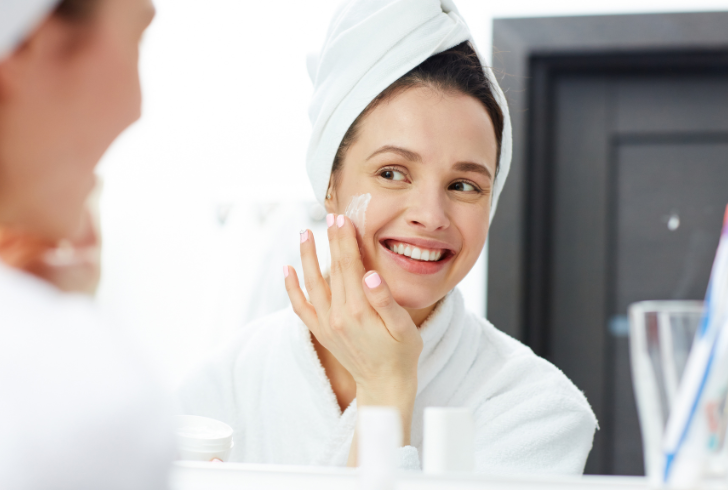
Freepik | Pressfoto | Skin fasting means pausing strong products while still caring for your skin with basics like moisturizer and sunscreen.
While the term “skin fasting” gained traction online, it isn’t a recognized medical treatment. Dermatologist Dr. Priyanka Sharma from V6 Clinics notes, “There’s no clinical proof that pausing all skincare resets the skin’s biology.”
However, she explains that the practice can still have value when viewed as skincare simplification. When people layer too many actives, like acids or retinoids, the skin barrier often becomes fragile. Simplifying the routine allows that barrier to rebuild.
“The skin doesn’t become dependent on products,” Dr. Sharma says, “but excessive actives can definitely stress it.”
Essentially, what the internet calls skin fasting might just be a return to basics, a reminder that sometimes, less truly is more.
Who Should Try Skin Fasting?
Skin fasting works best for those who notice irritation, persistent dryness, or sudden breakouts after using multiple strong products. Dr. Pilani highlights symptoms such as burning, redness, flaking, or sensitivity as clear signs of product overload.
People who frequently switch between trending skincare lines or mix too many active ingredients often benefit from taking a break. Simplifying routines gives the skin space to regain balance, especially in winter when it’s more vulnerable.
Still, not everyone should jump in. Experts warn that those with chronic skin conditions like eczema, rosacea, psoriasis, or acne under medical treatment should never stop prescribed products without consulting a dermatologist. Abruptly quitting can worsen flare-ups and slow recovery.
Why It May Help During Winter
Winter is particularly harsh on the skin barrier. Cold air, indoor heating, and hot showers all strip away natural oils, leaving skin dry and dull. When powerful active ingredients are layered on top of already-stressed skin, irritation builds fast.
Dr. Pilani explains that pausing actives helps the barrier rebuild its protective lipid layer. As that barrier strengthens, the skin locks in more moisture and becomes smoother.
“Healthy glow in winter isn’t about more serums,” he says. “It comes from fewer irritants and better hydration.”
Dr. Sharma echoes this, emphasizing that protection, not deprivation, creates radiance. Gentle cleansing, barrier-repairing moisturizers, and consistent sunscreen use remain the real foundations of glowing winter skin.
How Long Should Skin Fasting Last?
Experts agree that moderation is key. Dr. Pilani recommends short skin fasting periods ranging from three to seven days, depending on skin stress. “Two or three days can calm mild irritation, while five to seven days may be needed for over-exfoliated skin,” he says.
Dr. Sharma suggests a similar window. “A structured pause of up to a week can help, but people must continue essentials like cleanser, moisturizer, and sunscreen,” she advises. Anything beyond that risks dehydration or damage, especially in cold, dry weather.
Common Mistakes and Red Flags
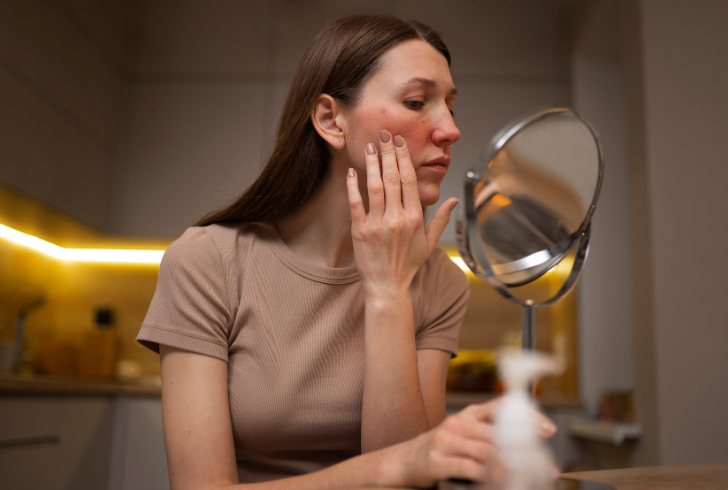
Freepik | Avoiding basics or using harsh remedies can harm your skin instead of helping it recover.
Many people misunderstand skin fasting as avoiding all skincare. Skipping moisturizers or sunscreen, using harsh cleansers, or experimenting with home remedies like lemon juice or essential oils can make things worse.
If skin feels tighter, burns, or peels excessively, dermatologists urge stopping immediately. “Skin fasting should calm irritation, not worsen it,” Dr. Pilani explains. When done right, the skin feels soothed and hydrated within days, not inflamed or raw.
Another mistake involves using the break as a reset before loading up again with multiple products. Experts stress that once skin fasting ends, actives should return slowly and carefully.
Finding Balance for Healthier Skin
Ultimately, skin fasting isn’t a miracle fix or a replacement for smart skincare. It’s a mindful pause that helps reset irritated skin and reduce overuse of actives. When paired with hydration and barrier support, it helps the skin restore its natural balance, especially in winter’s dry conditions.
Dermatologists agree that glowing, healthy skin comes from consistency, not constant experimentation. For many, skin fasting simply reminds them to listen to what their skin truly needs and focus on essentials that protect and heal.
In a season where skin often feels tired and stressed, less can truly mean more. By simplifying routines, using gentle care, and keeping the skin protected, anyone can help restore that calm, hydrated, winter glow naturally.