How Podcasts and Plastic Surgery Are Changing Male Beauty Standards
Tech mogul Bryan Johnson—best known for his relentless pursuit of age reversal—brought together an unlikely guest list in May 2024 for a dinner in Venice, California. Among them were Kim and Khloé Kardashian, Kris Jenner, and neuroscientist Andrew Huberman, whose Huberman Lab podcast has built a devoted global audience.
The Kardashians’ film crew captured every moment, later streaming it across social media, where audiences marveled at the unusual mash-up: Silicon Valley biohacking, Hollywood stardom, and pop science colliding at a single dinner table.
At the center of this social experiment was Dr. Jason Diamond, the Beverly Hills plastic surgeon known for treating A-listers and UFC fighters alike. His appearance underscored a bigger cultural pivot: the blending of health optimization with male aesthetics, accelerated by podcasts, influencers, and the rising mainstream appeal of cosmetic enhancement.
Influence of Podcasts on Male Aesthetics
Podcasts have become one of men’s most trusted lifestyle roadmaps. Shows like The Joe Rogan Experience and Huberman Lab mix science, fitness, and self-improvement philosophy, with guest lineups spanning elite fighters to Ivy League researchers.
These conversations have fueled a cultural shift, where men are expected not only to be fit but to look fit. The progression has been clear:
– Weight training and supplements dominated first.
– Then came peptides and testosterone replacement.
– Now, attention is drifting toward surgical and cosmetic interventions.
Even though podcasters like Joe Rogan and Andrew Huberman express skepticism about plastic surgery, the broader culture they fuel doesn’t dismiss it. Instead, men increasingly view surgical options as practical steps toward optimization—another tool alongside protein powder, gym memberships, and hormone therapy.
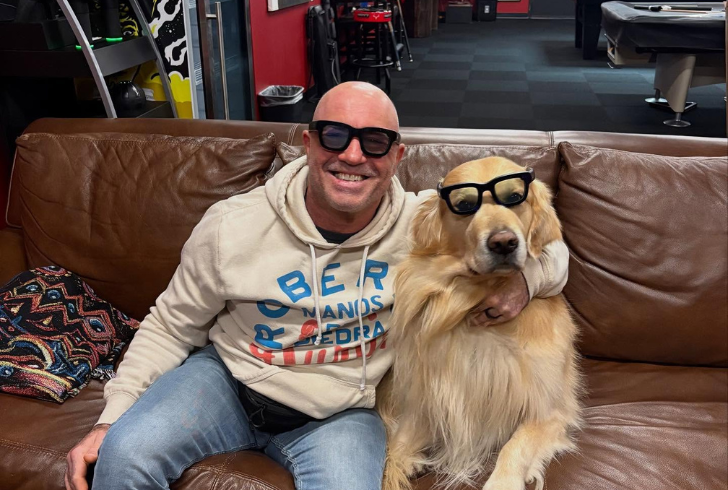
Instagram | joerogan | Shows like “The Joe Rogan Experience” provide men with advice on health and performance.
The Surgeon Behind the New Male Aesthetic
Dr. Jason Diamond has become a symbolic figure in this transition. Famous for appearing on Dr. 90210 in the mid-2000s, he built his reputation on facial sculpting, custom jaw implants, and high-end cosmetic procedures. Today, he finds himself treating influencers, athletes, and entertainers shaped by the podcasting boom.
Diamond has cultivated ties with UFC leaders, trained with Andrew Huberman, and earned the distinction of being the only plastic surgeon followed by Joe Rogan on Instagram. His patients reflect the new face of masculinity—literally. They’re comedians, fighters, and executives who see cosmetic work not as vanity but as strategy.
From Medical Reconstruction to Modern Enhancement
Surgical interventions on the jaw and face aren’t new. Historically, these procedures were reserved for repairing traumatic injuries. After the Civil War and World War I, advancements in reconstructive surgery helped wounded soldiers regain functionality and appearance.
Fast forward to today, and those techniques are repurposed for aesthetics. Instead of healing battle scars, surgeons now reshape jaws and chins to craft sharper, stronger profiles. Dr. Diamond specializes in custom implants built from CT scans, ensuring each piece matches a patient’s bone structure. Compared to generic implants, his tailored approach delivers results that feel both dramatic and natural.
On his clinic’s rooftop patio in Beverly Hills, Diamond often demonstrates this by showing life-size skull models with brightly colored implants. Each represents a client, many of whom are recognizable celebrities.
Who’s Getting the Work Done?
A walk through The Diamond Face Institute paints a vivid picture of modern masculinity. In the waiting room, one might see a world-famous comedian, an athlete with UFC ties, or a wealthy entrepreneur. Their appearances vary, but they share a desire for sharper, stronger features that signal vitality and confidence.
Patients often experiment with non-surgical methods first. Influenced by podcasts and online forums, they chew mastic gum to strengthen their jawline, tape their mouths shut at night to improve breathing, or adopt carnivore diets to enhance facial structure. Andrew Huberman even cited research suggesting that chewing bones in ancient diets contributed to stronger jawlines—a claim that quickly spread online.
But these methods only go so far. For those who want a Tom Cruise-worthy jawline, surgery becomes the next logical step.
The Rise of Looksmaxxing
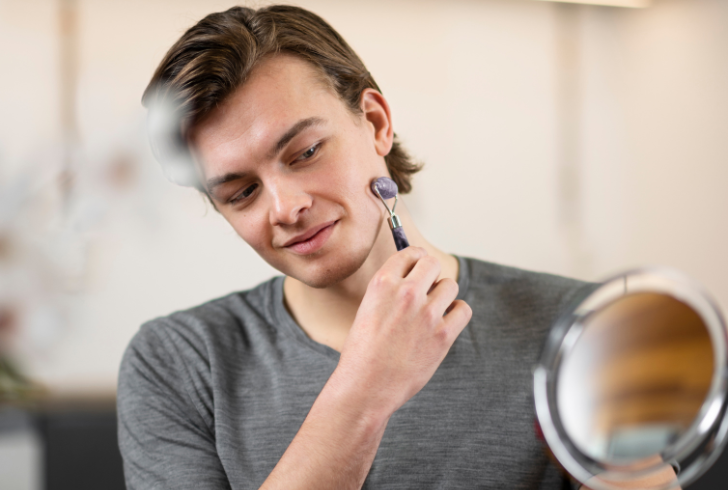
Freepik | Looksmaxxing is growing in popularity as young men follow influencers and podcasters to enhance their appearance.
Looksmaxxing—a term born on internet forums and spread through TikTok—captures the drive to maximize physical attractiveness, especially among men. What began as a niche subculture has gone mainstream. Teens and young adults trade advice on everything from skincare to buccal-fat removal, often citing podcasters and influencers as sources of authority.
Dr. Diamond noticed this shift firsthand when his teenage son asked for buccal-fat removal. Another son taped his mouth shut at night after seeing it promoted online. For many young men, these practices aren’t just about looks—they’re tied to broader ideas of self-improvement and belonging.
The Stigma Around Male Vanity Is Fading
For decades, plastic surgery carried a stigma for men, seen as feminine or unnecessary. That stigma is dissolving fast. Comedian and actor Bryan Callen, a patient of Dr. Diamond, summed it up. “There’s no longer a stigma on vanity for men.”
Several factors drive this change:
1. The rise of health-centric podcasting
2. Social media platforms that amplify appearance-based content
3. Affordable and less invasive procedures
4. A cultural emphasis on performance and longevity
Longevity itself has become a buzzword. Where health ends and aesthetics begin is increasingly hard to define. Botox, fillers, and jaw implants are no longer about vanity alone—they’re tied to career prospects, confidence, and social capital.
Influencers and Executives Join the Trend
Actors, influencers, and corporate leaders alike are reshaping their faces. Joey Zauzig, an influencer and actor, credits Dr. Diamond’s facial sculpting with boosting his online presence.
“People always comment on how good my jaw looks,” he said, noting that his videos gained more traction after his procedures.
Even high-powered executives quietly pursue enhancements, often under the radar. One Hollywood executive admitted to getting a chin implant but requested anonymity, saying, “I don’t want everyone in town to know.” For many, cosmetic work is an open secret—noticed, but not discussed.
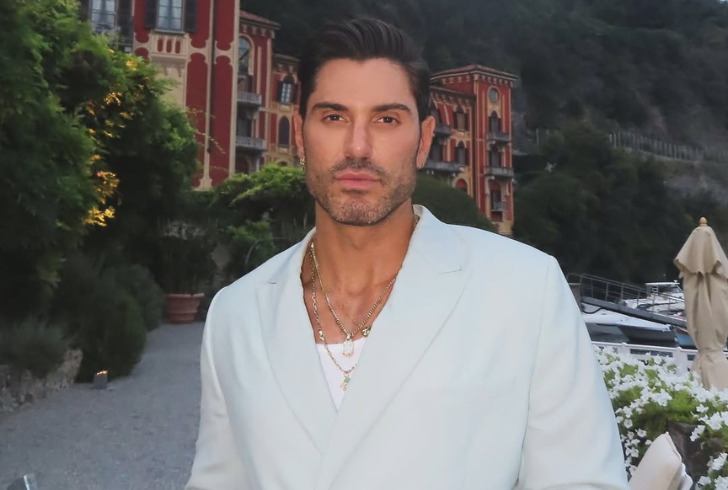
Instagram | @joeyzauzig| Influencer Joey Zauzig embraces cosmetic procedures to enhance his appearance and boost his online presence.
Social Media’s Role in Redefining Masculinity
Platforms like YouTube, TikTok, and Twitch amplify the importance of looks. With many top podcasts now streamed as videos, hosts and guests spend hours in front of cameras, exposing every detail of their appearance.
This visibility fuels demand for enhancements—sharper jawlines or smoother skin can boost engagement, branding, and even earnings. Cosmetic procedures among men reflect a cultural shift where health, performance, and aesthetics are intertwined.
Once secretive, plastic surgery is now a mainstream part of male identity, with influencers, fighters, and podcasters leading the trend.
The Changing Face of Masculinity
The dinner at Bryan Johnson’s home symbolized more than a strange mix of guests. It revealed how men’s beauty standards are evolving in real time, shaped by podcasts, plastic surgery, and cultural icons.
Men now live in a world where self-improvement includes gym memberships, hormone therapy, jaw implants, and Botox. Podcasts normalize these conversations, while surgeons like Dr. Jason Diamond provide the tools to achieve them.
The future of masculinity is being rewritten—not only in gyms and labs but also in surgical clinics. And with every sharpened jawline and tightened eyelid, the definition of male beauty shifts just a little more.