This Couple Found Happiness in Small Studios, Not Big Houses
For many people in their 30s, owning a home still represents stability or a sign that adulthood has “officially” arrived. But for couples like Catherine Work and her boyfriend, that traditional path doesn’t line up with how they want to live. They prefer renting small studios, traveling often, and keeping their lives intentionally light—financially and emotionally.
The Appeal of Living Small
At 30, Catherine and her 31-year-old partner value movement more than a mortgage. They choose compact apartments and studio rentals, giving themselves the freedom to jump into new cities and new routines without being anchored by a long-term commitment to one place.
For this couple, minimalist living is not just about reducing possessions—it aligns with their desire for flexibility and intentional living. Instead of committing to one location, they can choose where to live every few months, making every rental a temporary base for work, travel, and social engagement.
Why Owning a House Didn’t Fit

Instagram | businessinsider.com | Growing up around property costs, Catherine saw that ownership lacks guaranteed security.
Catherine grew up in large homes filled with unused rooms and constant discussions about taxes, repairs, and maintenance costs. Observing this early on highlighted that property ownership does not guarantee comfort or financial security. For many, buying a house symbolizes achievement, but for Catherine and her partner, it represents an unnecessary burden.
Large homes demand more money, more upkeep, and more things to fill them—none of which appeals to Catherine or her partner. For them, stability is measured in how much control they have over their time and budget, not in how many square feet they own. They briefly considered buying a house, but the idea felt out of sync with their priorities. A mortgage would anchor them in ways that didn’t match the mobility they value.
Living Light and Traveling Often
Small studios and compact apartments fit naturally into the way they move through the world. With only the essentials and a handful of multipurpose items, settling into a new place becomes effortless. Catherine talks about borrowing pots from neighbors, getting creative with limited storage, and even turning art-class experiments into decoration. These choices keep consumption low and make each space feel personal without extra clutter.
This lifestyle also nudges them into their communities. Co-living setups and smaller rentals tend to spark casual interactions, leading to friendships they likely wouldn’t encounter in a larger home. One of their favorite memories: squeezing fifteen friends into a tiny studio for a birthday dinner, gathering chairs from neighbors to make it work.
The Freedom of Tiny Living
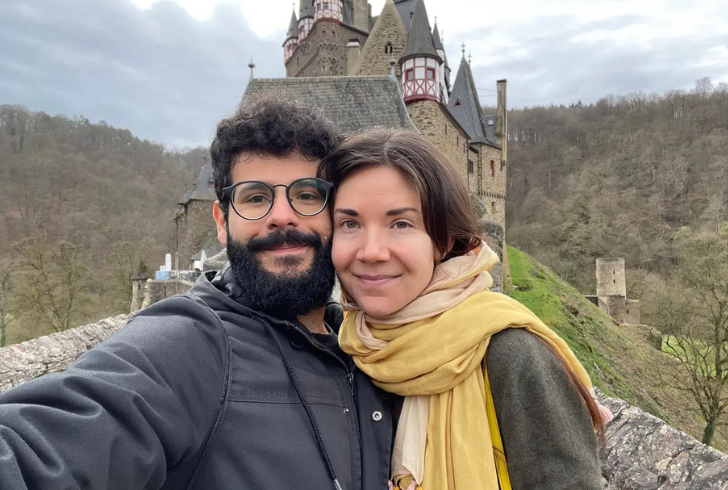
businessinsider.com | For Catherine and her partner, minimalism means freedom—no mortgage, no excess, no strings.
Minimalist living frees them from the weight of major financial responsibilities. Home becomes any place where they cook, unwind, and settle in together. The limits of a smaller space spark creativity and reinforce their focus on experiences over accumulation.
Their perspective pushes back on the idea that owning property is the ultimate marker of adulthood or stability. For them, joy comes from the ability to move freely and invest in experiences rather than square footage.
Financial and Emotional Benefits
Tiny rentals ease financial pressure—lower rents, fewer utilities, and minimal maintenance allow them to put money into travel, learning, and shared experiences. Emotionally, they avoid the stress that comes with major upkeep or long-term debt. Life feels more purposeful when everything in the space has a reason to be there.
For Catherine and her partner, tiny living isn’t a compromise—it’s a way of shaping their lives around freedom, connection, and exploration rather than possessions.