Does Magnesium in Skin Care Actually Work? Experts Share Insights
Magnesium has emerged as a rising star in the skincare world. Once mainly recognized for its role in overall health, this essential mineral now features in creams, serums, and moisturizers, catching the attention of beauty enthusiasts and dermatologists alike. Magnesium is not only vital for muscle function, brain health, and energy production but also supports the skin’s protective barrier. This dual role has sparked interest in its potential benefits for skin care.
Dr. Shasa Hu, cosmetic director of the Skin of Color Division at the University of Miami’s Dr. Phillip Frost Department of Dermatology, notes, “Magnesium is crucial for more than just the skin, but its effect on the skin barrier cannot be overlooked.”
Skin care products often combine magnesium with antioxidants and peptides, promising soothing effects and anti-aging benefits. Despite this popularity, experts emphasize understanding what magnesium can realistically achieve for skin health.
How Magnesium Supports Skin Health
Dermatologists report that magnesium plays a key role in maintaining the skin barrier. Dr. Shari Lipner, associate professor of clinical dermatology at New York-Presbyterian Hospital/Weill Cornell Medical Center, explains, “A healthy skin barrier locks in hydration while keeping harmful agents out. Magnesium may enhance this barrier, reducing dryness and irritation.”
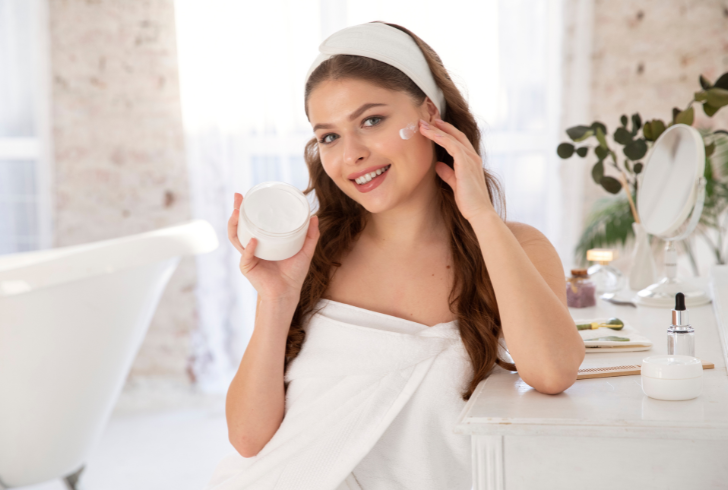
Freepik | Magnesium helps strengthen the skin barrier and reduce irritation.
Magnesium’s anti-inflammatory properties could benefit conditions like eczema and psoriasis. These skin disorders occur when the skin barrier fails, leading to redness, scaling, and discomfort. Some studies suggest that soaking in the Dead Sea helps patients with psoriasis absorb magnesium, improving both skin condition and magnesium levels in the body. However, the amount absorbed from regular skin care products is far lower, making at-home relief more limited.
Additionally, magnesium may support collagen and elastin production, contributing to skin elasticity and a more youthful appearance. It also helps regulate oil secretion from sebaceous glands, which can benefit individuals with oily or acne-prone skin.
These combined effects make magnesium a promising ingredient in daily skin routines, though expectations should remain realistic.
Effectiveness of Magnesium Lotions
Topical magnesium products often claim to deliver minerals directly into the bloodstream. Yet, integrative pharmacist Emlah Tubuo of Powell Pharmacy clarifies, “Topical magnesium does not replace oral supplements for correcting deficiencies.”
Magnesium baths or mineral soaks can help relieve muscle soreness. Research shows some absorption occurs through hair follicles and sweat glands, but it is insufficient to significantly change blood magnesium levels. For effective penetration, magnesium molecules must be small and fat-soluble. Most skincare formulations do not meet these criteria, which limits their impact.
Despite this, magnesium creams and lotions remain safe for general use. People can still enjoy the potential benefits of moisturization and mild anti-inflammatory effects without relying on them for systemic magnesium needs.
Potential Risks of Magnesium Use
Magnesium is generally safe for most users, but caution is necessary for individuals with kidney issues. Tubuo explains, “The kidneys regulate magnesium balance, so anyone with kidney concerns should avoid magnesium supplements, both oral and topical.”
Excess magnesium can accumulate if kidney function is impaired, leading to unwanted side effects. Even when applied topically, people with kidney problems should consult a healthcare provider before using magnesium-based products. Awareness of personal health conditions ensures safe use while still benefiting from skin care formulations.
Practical Tips for Magnesium in Skincare
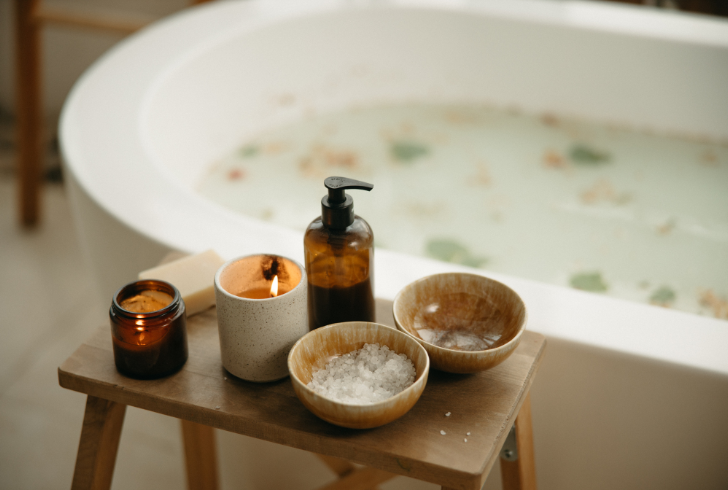
Freepik | Yaroslav Shuraev | Using magnesium in skincare and baths improves skin health and relaxation.
Incorporating magnesium into skincare routines can be simple yet effective. Opt for products that combine magnesium with proven ingredients like peptides and antioxidants. Use magnesium moisturizers to support hydration, calm irritation, and regulate oil production. While systemic benefits are limited, these products still contribute to maintaining a healthy, resilient skin barrier.
For those seeking muscle relaxation or mild anti-inflammatory effects, mineral baths or Epsom salt soaks remain the most practical option. They offer a relaxing way to enjoy magnesium without relying on creams or lotions for systemic supplementation.
Enhancing Overall Skin Wellness
Magnesium works best as part of a comprehensive skincare routine. Using gentle cleansers, protecting skin from environmental stressors, and supporting overall wellness with balanced nutrition, hydration, and adequate sleep enhance its benefits.
Topical magnesium supports hydration, strengthens the skin barrier, reduces inflammation, and aids collagen production and oil regulation, making it useful for aging or acne-prone skin.
While it cannot replace oral supplements for deficiencies, combining magnesium with other effective skincare ingredients maximizes results, promoting healthier, calmer, and more resilient skin.