This Surprising Fitness Habit Is Linked to Better Health and Longer Life
Exercise schedules naturally change over time, influenced by shifts in interests, energy, and physical capacity. Some weeks may emphasize running or HIIT workouts, while others revolve around weight training or team-based sports.
Sticking to one routine can build particular strengths, but mixing different forms of activity delivers unique benefits for both mind and body. Studies increasingly show that this variety may be key to maintaining long-term health.
A long-term study published in BMJ Medicine tracked over 100,000 individuals for more than 30 years, examining how different types of physical activity influenced overall health and mortality. Participants reported weekly engagement in a variety of exercises, including jogging, swimming, weightlifting, yoga, and even outdoor tasks like gardening.
The findings revealed a clear pattern: those who participated in the widest variety of activities experienced a 19 percent lower risk of death compared to individuals who focused on fewer types of exercise. When examining specific health outcomes, the benefits were even more notable. Risks of heart disease, cancer, and respiratory illnesses dropped between 13 and 41 percent among participants with diverse fitness habits.
Why Variety Matters
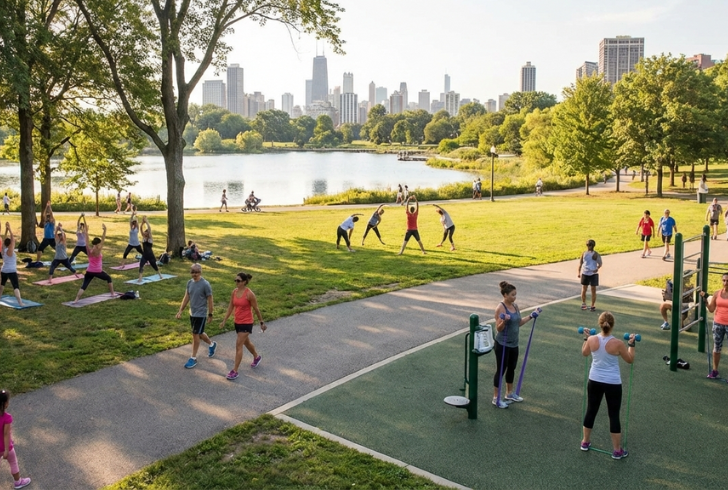
Gemini AI | Doing many kinds of workouts keeps your whole body active and lowers your risk of serious disease.
Engaging in different forms of exercise strengthens various aspects of personal fitness:
- Sports and dynamic movements – Activities such as basketball enhance agility, coordination, and power.
- Strength training – Supports joint health, builds muscle, and maintains overall strength.
- Endurance exercises – Walking, swimming, or cycling improve cardiovascular fitness and mobility.
- Functional or outdoor activity – Gardening or yard work provides low-impact exercise that increases stamina and flexibility.
Including a mix of these exercises challenges the body across multiple domains, reducing overuse injuries and promoting long-term vitality. Yang Hu, corresponding author and research scientist at the Harvard T.H. Chan School of Public Health, points out:
“People naturally choose different activities over time based on their preferences and health conditions. When deciding how to exercise, keep in mind that there may be extra health benefits to engaging in multiple types of physical activity, rather than relying on a single type alone.”
This research shows that the benefits of physical activity extend beyond consistency alone. Rotating exercises that work different muscles and energy systems not only improve fitness but also support longevity. A routine that combines strength, endurance, mobility, and coordination is more likely to keep both the body and motivation strong over decades.
Making Variety Part of Your Routine

Freepik | A balanced fitness approach strengthens the body for the long haul.
Mixing different types of exercise doesn’t require elaborate planning.
A solid weekly routine can feature two to three strength training sessions, daily walks or light jogs to build endurance, and one or two sports or group activities for dynamic coordination. Adding low-impact outdoor tasks like gardening also supports flexibility and overall stamina.
Targeting multiple aspects of fitness allows the body to strengthen holistically, improving health and promoting longevity. Studies suggest that people who vary their workouts are less likely to develop chronic disease, enjoy better cardiovascular function, and retain mobility into older age. Even simple activities like yoga or walking can contribute meaningfully when combined with other exercises.
Variety isn’t just a fun addition—it’s a longevity strategy. By engaging different muscle groups and maintaining mental focus, mixed routines are easier to stick with and more beneficial over the long term.