Exosomes, Skin Cycling, and the Smarter Beauty Shift of 2025
Beauty in 2025 took a clear turn toward intention, science, and long-term skin health. Flashy fixes and aggressive routines slowly lost appeal, while informed care gained attention. Consumers began asking better questions and choosing treatments that worked with biology, not against it. From exosome therapies to skin cycling and barrier repair, the year marked a reset toward thoughtful, results-driven beauty rooted in medical insight and daily discipline.
This shift reflected a broader change. Skin and hair were no longer treated as surface-level concerns. They became part of a larger wellness picture shaped by regeneration, balance, and restraint.
The Rise of Regenerative, Science-Led Beauty

Freepik | 2025 shifted toward science-backed, intentional skincare focused on long-term health.
According to Dr. Prachi B. Bodkhe, dermatologist at Envi Aesthetics, 2025 showed a noticeable change in mindset.
“People stopped treating skin and hair as isolated issues. Care became more holistic, tied closely to overall wellness and long-term health,” she explains.
Instead of chasing instant results, individuals leaned toward treatments that support repair, signaling, and natural recovery. This approach influenced both in-clinic procedures and at-home routines.
Scalp Health Takes Center Stage
Hair care in 2025 began at the scalp. Healthy follicles, balanced oil production, and proper circulation became key goals, much like hydration and exfoliation in facial care.
Dr. Bodkhe points to a strong increase in regenerative scalp procedures, especially exosome-based treatments. These therapies help improve follicle communication, strengthen hair anchoring, and support visible density. What once felt experimental became widely accepted.
At the same time, established treatments evolved:
1. Mesotherapy blends became more refined and targeted
2. Hair threads gained popularity for structural support and blood flow
3. Home-use tools such as LLLT helmets, LED combs, and microcurrent scalp devices became part of regular routines
Dr. Mikki Singh, board-certified dermatologist and medical director at Bodycraft Clinics, reinforces this shift.
“Scalp care started to mirror facial skincare. Gentle exfoliants and serums with glycolic or lactic acid were used to manage dandruff, sensitivity, and thinning,” he says. The goal focused on lasting scalp comfort rather than quick fixes.
Intentional Facial Care and Skin Boosters
Facial skincare moved toward efficiency. The focus was not on doing less, but on using fewer products with clear purpose.
Dr. Bodkhe notes a growing awareness of irritation caused by excessive layering. Patients preferred barrier-focused routines with well-spaced actives. In clinics, this demand translated into a sharp rise in skin booster treatments designed for hydration, repair, and glow with minimal downtime.
The most requested options included:
1. Hyaluronic acid boosters for deep hydration and light-reflective skin
2. PDRN, also known as salmon DNA, for texture repair and intrinsic anti-aging
3. Hybrid boosters combining peptides, antioxidants, and hyaluronic acid for quick radiance
These treatments fit well into simplified routines and delivered natural-looking results.
Exosome Therapies and Skin Repair
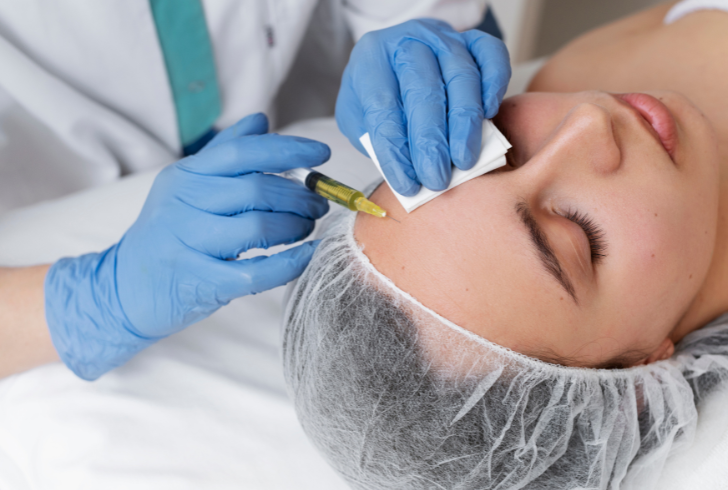
Freepik | Trending exosomes are stem-cell-derived messengers that repair cells and boost collagen.
Exosomes became one of the most discussed advances of the year. Dr. Singh describes them as biologically active messengers derived from stem cells that support cellular repair, collagen production, and inflammation control.
“Exosome therapies gained traction, especially when paired with light-based treatments,” he explains. When used alongside lasers or radiofrequency microneedling, penetration improves and healing speeds up.
Over several sessions, patients often noticed smoother texture, faster recovery after procedures, and brighter skin quality without extended downtime.
A Reset Toward Minimalism and Barrier Care
Dr. Geeta Mehra Fazalbhoy, board-certified specialist in Aesthetic Medicine and founder of Skin and You clinic, describes 2025 as a year of recalibration.
“After years of excess, both consumers and professionals paused and asked if routines were actually helping the skin,” she says.
Skin minimalism centered on respecting the barrier. Dr. Singh observed that many routines narrowed down to a cleanser, one targeted serum, a moisturizer, and daily sunscreen. This approach proved especially practical in humid climates, where heavy layering often leads to irritation.
Barrier-supporting ingredients became non-negotiable. Dr. Fazalbhoy highlights ceramides, niacinamide, cholesterol, and gentle hydrators as essentials rather than trends. A strong barrier influenced hydration, glow, and tolerance to treatments.
Dr. Singh adds that simpler routines also supported the skin microbiome and reduced flare-ups linked to over-exfoliation and ingredient overload.
Skin Cycling and Smarter Use of Actives
Skin cycling stood out as one of the year’s most impactful habits. Instead of nightly use of strong actives, products were rotated across different days, allowing recovery time in between.
Dr. Fazalbhoy explains, “Skin needs rest to repair. Constant pressure from actives often leads to inflammation and sensitivity. Rest days improved tolerance and results.”
This method helped users maintain progress while protecting barrier integrity, especially for acne-prone and sensitive skin types.
Medical Aesthetics Meets Metabolic Health
Weight reduction therapies such as Ozempic and Mounjaro influenced skin management discussions in clinics. Dr. Bodkhe notes that patients undergoing medically supervised weight loss became more aware of changes in skin laxity and hair shedding.
In response, many sought skin-tightening treatments, collagen-support therapies like RF microneedling and exosomes, and guidance on nutrition and lifestyle to preserve elasticity. Targeted hair routines also became common.
An added benefit emerged as metabolic health improved. Some patients noticed clearer skin linked to better insulin regulation.
Social Media Trends Under the Microscope

Freepik | lookstudio | Viral impulse buying is causing rising skin issues among unguided young users.
Despite the push toward minimalism, viral content continued to drive impulse buying. Dr. Fazalbhoy observed a rise in acne, contact dermatitis, and allergic reactions, especially among younger users experimenting without guidance.
Several popular trends required context:
1. Skin slugging helped very dry skin but caused congestion in humid climates
2. Ice facials reduced puffiness briefly but lacked long-term value
3. Face yoga and tapping supported relaxation, though anti-aging claims remained overstated
The message became clear. Popularity did not equal effectiveness.
Where Beauty Landed in 2025
2025 marked a turning point toward education, restraint, and consistency. Consumers became more informed and selective, while professionals emphasized biology-backed care over hype.
Dr. Fazalbhoy sums it up clearly:
“Healthy skin is built through understanding, consistency, and care, not trends.”
Science-led beauty, regenerative treatments, and mindful routines reshaped how skin and hair were treated. The year proved that progress often comes from doing things with purpose, patience, and respect for how the body actually works.