Is Weighted Activewear Effective for Fitness?
People who love fitness rarely stick to one routine for long. Lately, weighted activewear has become the trend du jour—clothes that look ordinary but hide small weights sewn into the seams. They’re marketed as a way to intensify a workout without changing anything else.
Still, the big question remains: can a little extra weight stitched into fabric noticeably change your training? Most specialists say the answer is a cautious “maybe,” depending on how it’s used.
What Makes Weighted Clothing Different
The idea isn’t new—weighted vests have been around for decades—but these newer designs shrink the concept into everyday workout pieces. Instead of bulky straps and plates, the weights are tucked into shirts, shorts, or tights, usually adding anywhere from half a pound to a few pounds in total.
The appeal is obvious: you get a touch of extra resistance without sacrificing comfort. In theory, the body works just a bit harder with every move, and that accumulated effort could translate into better strength or endurance. Whether the research fully backs those promises is where opinions start to diverge.
Expert Insights
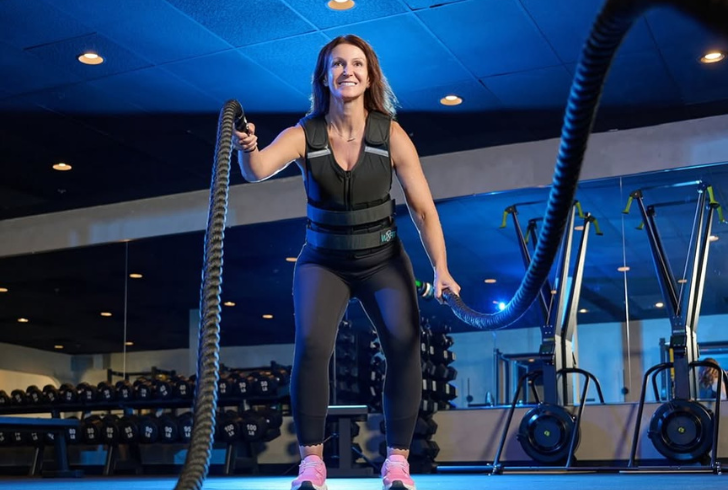
Instagram | @w8fit via | Weighted activewear is the latest fitness trend promising to boost calorie burn and build strength.
According to Rachelle Reed, PhD, an exercise physiologist and Head of Scientific Research at Therabody, the resistance these clothes provide might not be enough to make a measurable difference. “The added weight is less than the normal daily fluctuation in body weight,” she explains. Factors such as hydration or meals can shift a person’s weight by several pounds within a day, often more than the garments add.
Similarly, Shannon Ritchey, DPT, founder of Evlo Fitness, points out that research on weighted clothing remains limited. She notes that most conclusions come from studies on weighted vests, which often use much heavier loads over extended periods.
One notable study from Wake Forest University found slight gains in bone density among older adults wearing vests that weighed around 20% of their body weight for several hours a day. Another small trial reported minor increases in calorie burn and lower body strength, but participants were seniors who wore the vests for up to six hours daily.
These results don’t translate well to light activewear designed for short gym sessions. When the resistance drops from 20% of body weight to just a few pounds, the physical stimulus and its potential benefits drop dramatically too.
Where Weighted Activewear Might Shine
While not a game-changer for strength or endurance, weighted clothing might serve a role in specific workouts. In high-repetition or low-resistance programs, such as Pilates, barre, or dance-based training, every slight increase in load can amplify muscle engagement.
Reed explains that during classes focused on endurance, “adding even two or three pounds can make movements feel noticeably harder.” This can lead to improved stamina in targeted muscles without compromising form.
Weighted apparel might also help increase awareness of body movement. That subtle pull of gravity can make individuals more conscious of their posture and core engagement, an underrated advantage in low-impact training styles.
The Psychological Edge
Beyond the physical aspect, there’s a motivational factor that shouldn’t be overlooked. Many fitness experts agree that novelty often reenergizes people’s workout routines. Weighted clothing can bring that spark.
As Reed puts it, the appeal might lie in the mindset more than the muscle. Wearing something new can encourage a person to push harder or stay more consistent. “If putting on that weighted shirt makes someone look forward to their next workout, it’s already a win,” she says.
This mental refresh can be especially valuable for those who feel stuck in repetitive routines. Small variations, like switching from standard leggings to weighted ones, can restore enthusiasm and break through boredom.
Caution and Common Sense
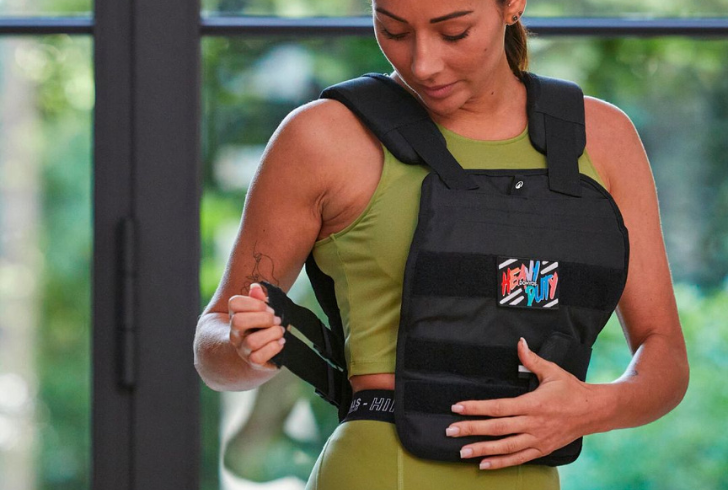
Instagram | @decathlonjorda | Experts agree that weighted clothing is safe but not effective for significant muscle building or strength like resistance training.
Experts agree that while weighted activewear isn’t likely to harm, it’s important to manage expectations. The added load is too minimal to produce the strength or muscle-building effects achieved through traditional resistance training.
Ritchey points out that weighted clothing isn’t a stand-in for traditional strength tools. If the goal is noticeable gains in muscle definition or stamina, the body still needs progressive overload — gradually increasing resistance over time.
That said, for people easing back into activity after an injury or those who prefer a softer ramp-up, these garments can offer a gentle challenge without putting added pressure on joints.
Considering the Cost
As with most fitness innovations, weighted activewear sits at the higher end of the price range. Brands often treat these pieces as specialty gear, which means leggings or tops come with a premium price tag. Before buying, it helps to get clear on your own goals.
If the aim is simply to spark motivation or refresh a routine, the investment might feel justified. But for anyone chasing measurable strength gains or higher calorie burn, traditional resistance training will always deliver more impact.
Finding Balance in the Fitness Trend
Weighted clothing blends style with function, offering a playful shift from the usual routine. Still, research hasn’t shown dramatic physical benefits.
Experts consistently remind people that meaningful progress comes from regular training, proper recovery, and solid nutrition — not from a couple of embedded pounds. Worn alongside a structured program, these garments can add variety, but they’re not designed to replace proven methods.
In the end, fitness evolves through experimentation. Weighted activewear can make workouts feel fresh, but lasting change still depends on steady effort and the basics done well.