Curd vs Chaas | Which Is Better for Immunity & Digestion?
Stomach discomfort often begins with everyday eating habits. While probiotic supplements are widely promoted today, traditional diets have long relied on fermented foods for digestive balance. Curd and chaas remain common in Indian households, though they influence digestion in different ways.
So when bloating creeps in or the stomach feels sluggish, a practical question comes up: should you go for curd or chaas?
Understanding the Difference
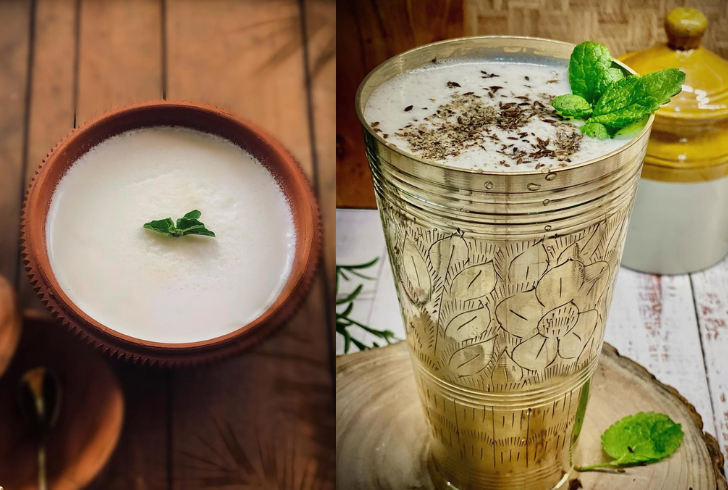
Instagram | @recipe_.rolling | @chit__chaat | Curd offers dense probiotics and protein, while chaas is a lighter drink that aids digestion with added water and spices.
Although both come from milk, curd and chaas are not nutritionally identical. Curd develops when milk ferments with beneficial bacteria, creating a thick texture and a nutrient-rich profile. It contains protein, calcium, vitamin B12, and active probiotic cultures that help maintain gut health.
Chaas is typically made by diluting curd with water and mixing in spices associated with digestive support. Because of its thinner consistency, it often feels easier on the stomach. Ingredients like roasted cumin, ginger, and coriander are frequently added to help stimulate digestion and ease gas.
Dr. Meena Kumar, a gastroenterologist and clinical nutrition expert, notes that both foods provide helpful bacteria that support gut health. However, she explains that the body responds differently depending on factors such as thickness, fat content, and how each is prepared.
How Curd Supports Gut Health
Curd delivers concentrated probiotics such as Lactobacillus. These bacteria restore balance in the gut microbiome and strengthen immunity. Consequently, regular consumption may improve bowel movements and reduce constipation.
In addition, curd provides more protein than chaas. That protein supports tissue repair and keeps hunger in check. Therefore, people recovering from illness or aiming to increase protein intake may benefit more from curd.
Curd also works well when eaten during lunch or as part of a balanced meal. Its thickness helps create a feeling of fullness, which supports appetite control.
Why Chaas May Ease Bloating Faster
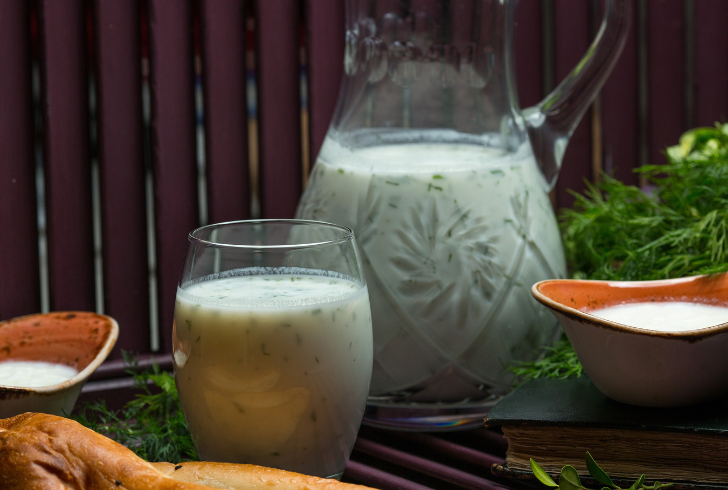
Freepik | Chaas aids digestion by being lighter and more hydrating than plain yogurt.
Chaas shines when digestion feels heavy. Because it contains added water, it moves through the stomach more smoothly. As a result, it often reduces post-meal discomfort.
The spices commonly mixed into chaas play a key role. Roasted cumin aids digestion. Ginger soothes the gut lining. Coriander supports natural detox processes. Together, these ingredients may relieve gas and bloating.
Dr. Kumar suggests that individuals with acidity or sensitive stomachs often tolerate chaas better. Its hydrating quality also helps during hot weather, when the body needs both fluids and minerals.
Choosing Between Curd and Chaas
Choosing between curd and chaas often depends on how your digestive system reacts and what your diet requires. Curd contains more protein and delivers probiotics in a more concentrated form, which makes it a good option for people looking for extra nutritional support. Chaas, on the other hand, is diluted and lighter, which can make it gentler on the stomach when digestion feels slow or uncomfortable.
Preparation makes a noticeable difference as well. Fresh curd and chaas made at home tend to preserve their natural bacterial cultures. Packaged varieties sometimes include salt, sugar, or preservatives that may reduce their digestive benefits.
At the same time, digestive health depends on overall eating habits. Consistent hydration, balanced meals, and sensible portions all contribute to a well-functioning digestive system, especially when probiotic foods are part of the routine.
Curd brings thickness and sustained nourishment, while chaas offers refreshment and lightness. Paying attention to your body’s response can help you choose what works best for long-term digestive balance.