Planetary Health Reveals Climate’s Role in Respiratory Well-Being
The connection between human health and the planet’s well-being grows stronger every year. A recent session at the 2025 European Respiratory Society (ERS) Congress in Amsterdam made that link crystal clear, spotlighting how climate change, biodiversity loss, and air pollution are reshaping respiratory health worldwide.
Experts urged that medical education, public policy, and healthcare practices must move in step to protect both people and the planet.
A Global Challenge That Hits Close to Home
The session opened with a message that resonated deeply, climate change isn’t just about melting ice caps, it’s about lungs, breath, and life quality. Rising temperatures, declining air quality, and allergen shifts are increasing cases of asthma and respiratory illness. Speakers described planetary health as both a global challenge and a major opportunity for transformation.
Dr. Hanna Haveri, a neurologist and planetary health specialist from Finland, shared that human well-being depends directly on the health of ecosystems. She linked biodiversity loss to increasing respiratory diseases, explaining that fewer microbial exposures in the environment weaken immune systems.
Finland’s Nature-Based Approach to Health
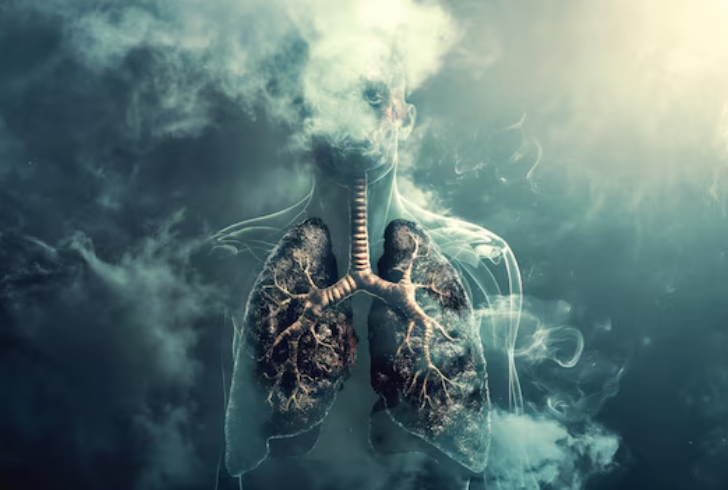
Freepik | studioworkstock | Experts explain how climate change harms lungs and urges urgent solutions.
Finland’s initiatives serve as a model for the world. Through the Nature Step Program, the country integrates ecological awareness into healthcare strategies. Dr. Haveri highlighted that programs like the National Asthma and Allergy Program reduced healthcare costs by 30% while improving patient outcomes. Another initiative, Nature’s Debt to Health, showed that reconnecting people with natural spaces strengthens respiratory and immune systems.
She also pointed out that the healthcare industry itself contributes to pollution, making it both a healer and a polluter. She emphasized that local solutions, such as sustainable diets, greener hospital systems, and community partnerships can reduce emissions while enhancing care. “The key is collaboration,” she said. “We need strong networks that combine expertise and build solutions together.”
Climate Change as a Health and Equity Crisis
Expanding on this theme, Dr. Liz Grant, professor of global health and development at the University of Edinburgh, described climate change as a growing health and social equity crisis. She noted that the sector is now the fifth-largest source of global greenhouse gas emissions, stressing that health systems must lead by example.
Grant underscored how climate change not only worsens respiratory illness but also widens inequality. Communities that contribute least to emissions often suffer the most from heat exposure, pollution, and resource loss. She called for policies that integrate health goals into national climate strategies and urged healthcare systems to adopt energy-efficient designs, sustainable procurement, and preventive care models.
Education Drives the Path Forward
Both experts emphasized that the next generation of healthcare workers must learn planetary health as part of core medical education. Grant discussed how the University of Edinburgh now includes climate and sustainability modules in its medical curriculum. Meanwhile, Haveri shared Finland’s progress in introducing voluntary courses that help clinicians understand how daily healthcare choices impact the planet.

Pexels |Mikhail Nilov | Experts stress the importance of teaching climate and health together to guide future doctors.
Education, they agreed, creates long-term change. By teaching environmental sustainability from the first year of medical and nursing training, professionals will better recognize how prevention, treatment, and ecological responsibility intersect.
Collaborative Actions for Healthier Systems
The session wrapped up with a series of actionable takeaways:
1. Build partnerships between healthcare providers, municipalities, and food systems to make sustainable choices accessible.
2. Promote green clinical practices that reduce waste and energy use.
3. Highlight health co-benefits of climate-friendly actions to strengthen public engagement.
4. Encourage local projects that merge environmental and healthcare goals for measurable community outcomes.
These strategies, the speakers said, show that climate action isn’t separate from public health, it’s at its heart.
The Urgent Call for Collective Change
As the discussion concluded, both experts left the audience with a thought-provoking message, the climate crisis is forcing society to rethink values and priorities. Dr. Grant urged attendees to reflect on what kind of health systems the world needs for a livable future. She said, “The real question is, what do we value and what must change to protect both people and the planet?”
Their message echoed throughout the congress, planetary health isn’t a distant vision but a current responsibility. Change begins when healthcare leaders, policymakers, and communities act together to preserve life, both human and ecological.