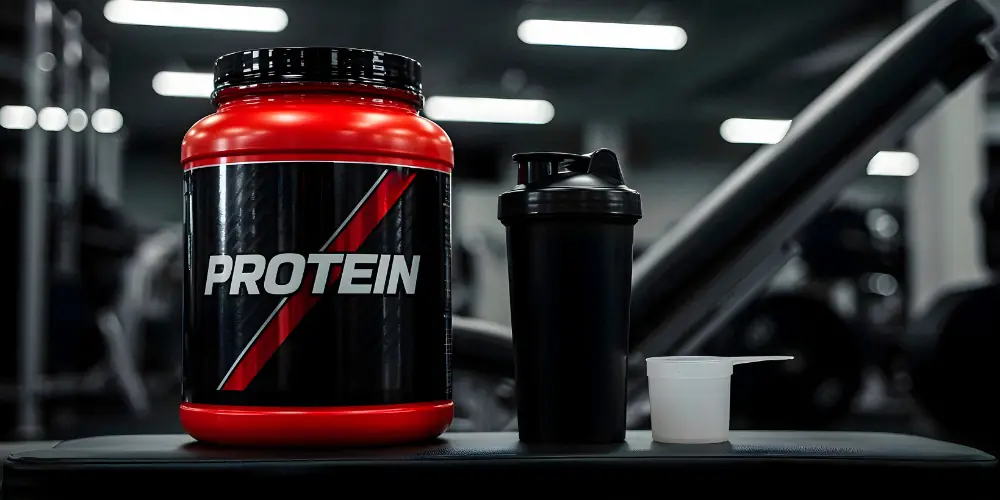
Walk into any fitness store or scroll through social media, and one thing stands out—protein is everywhere. Shakes, powders, bars, and “high-protein” recipes dominate the health and fitness conversation. For many, it’s seen as the ultimate tool for weight loss, muscle building, and overall wellness. But while protein is an essential nutrient, too much of it can quietly work against your health goals.
Protein isn’t the unlimited “free pass” many assume it to be. Consuming excessive amounts can have side effects that stretch beyond a little stomach discomfort. Understanding how protein works in the body helps avoid mistakes that may cause more harm than good.
Protein and Its Hidden Risks

Protein supports muscle repair, hormone regulation, and immune function. The body needs it, but balance matters. When protein intake exceeds what the body can process, problems begin to show up in different ways:
1. Weight Gain – Protein does have calories. Any excess the body doesn’t use for repair or activity is stored as fat, often in the liver.
2. Kidney Stress – Overloading protein can disrupt kidney function, especially when paired with inadequate hydration.
3. Hair and Skin Issues – Deficiency in other nutrients, caused by a protein-heavy diet, may trigger hair loss and dull skin.
4. Digestive Trouble – Constipation is a common result of high protein, particularly when paired with low fiber intake.
Why the Fitness Hype Can Backfire
Protein powders and shakes are popular because they’re quick and convenient. But the trend of adding extra scoops after every workout or hitting “daily protein goals” without context can create unnecessary strain on the body.
Many people forget that whole foods already provide significant protein, from dairy and eggs to fish, poultry, beans, and nuts. Adding multiple supplements on top often pushes intake well beyond what’s required.
The Role of Exercise and Protein Balance
Protein needs vary depending on activity level. A person who lifts heavy weights several times a week requires more protein than someone with a sedentary lifestyle. But more exercise does not mean unlimited protein. The body can only utilize a certain amount for muscle repair; the rest is stored as fat.
Maintaining balance is key:
1. Match protein intake with workout intensity.
2. Prioritize natural food sources over excessive supplementation.
3. Keep hydration and fiber intake steady to support digestion.
Plant Protein and Its Challenges

Plant-based protein often carries higher carbohydrate content and may be harder to digest compared to animal protein. While it can be a healthy choice, portion size and individual tolerance matter.
Some people notice bloating or sluggish digestion when relying heavily on plant protein. Listening to the body and adjusting intake accordingly prevents these discomforts.
When Protein Shakes Make Sense
Protein shakes are not harmful when used strategically. They can benefit older adults, especially those over 45, by helping maintain muscle mass while supporting calorie control. In such cases, shakes contribute to immunity, iron intake, and overall wellness. The key lies in using them as a supplement, not a staple that replaces balanced meals.
Protein is essential, but moderation is what keeps it working in your favor. Too much can trigger side effects like weight gain, digestive issues, and stress on the kidneys. The key is to align intake with your lifestyle, exercise routine, and age.
Whole foods should remain the primary source, while supplements serve only as occasional support. When protein is kept in balance with healthy fats and complex carbs, it becomes a true asset—helping maintain strength, energy, and long-term health without hidden drawbacks.