Are you wondering how to build muscle mass after 50? You are not alone. Many people think that hitting the big 5-0 means waving goodbye to muscle gains. But that is far from the truth. Building muscle mass after 50 is not only possible but incredibly beneficial for your overall health.
Can You Build Muscle Mass After 50?
Absolutely! Age is just a number when it comes to building muscle. While it is true that muscle growth slows down as we age, it does not stop. With the right approach, you can still make significant gains. Your body responds to resistance training at any age, and muscle fibers can still grow stronger and bigger.

The key is consistency and smart training. Older adults can benefit immensely from strength training, which not only builds muscle but also improves balance, bone density, and overall well-being.
So, let’s look at how to make those muscles grow after you cross the standard age.
How to Build Muscle Mass After 50?
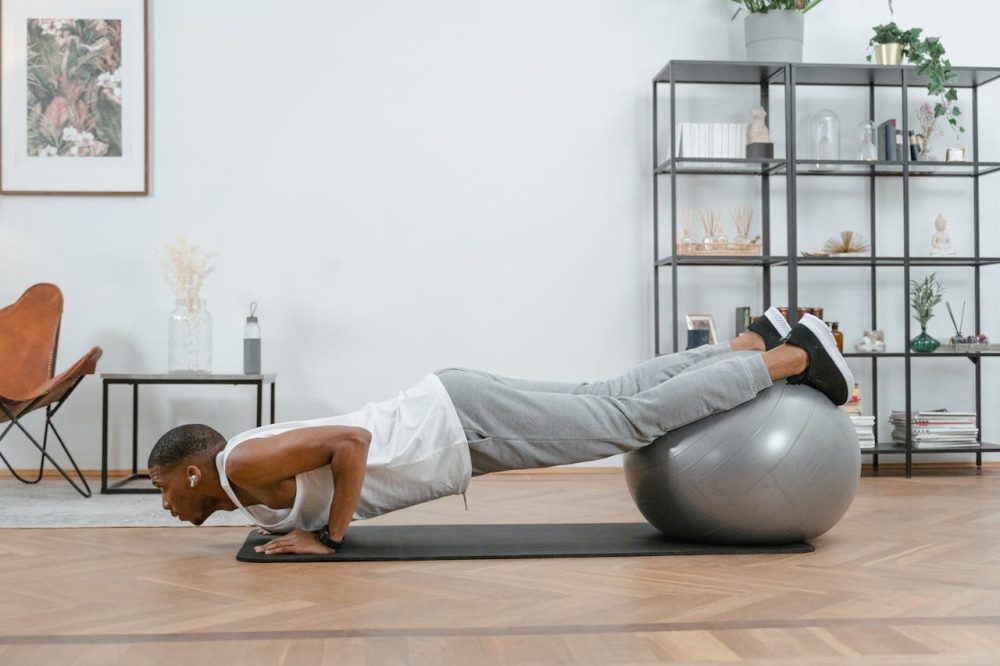
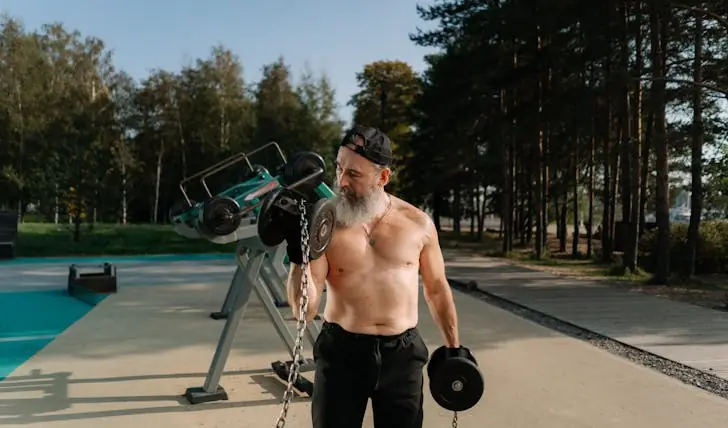
The foundation of building muscle mass after 50 is strength training. Engaging in regular resistance exercises is essential. Whether you prefer lifting weights, using resistance bands, or bodyweight exercises, the goal is to challenge your muscles.
Start with compound movements like squats, deadlifts, and bench presses. These exercises target multiple muscle groups and are highly effective for overall strength. Aim for two to three sessions per week, allowing ample rest between workouts to let your muscles recover and grow.
Prioritize Protein in Your Diet
Diet plays a crucial role in muscle building, especially as you age. Protein is your best friend here. It provides the necessary building blocks (amino acids) for muscle repair and growth. Make sure you are getting enough high-quality protein in your meals.
Ideally, aim for at least 1.2 to 1.5 grams of protein per kilogram of body weight daily. This will support your muscle-building efforts and help maintain muscle mass.
Stay Consistent with Cardiovascular Exercise
Cardio is crucial for muscle building. Regular cardiovascular exercise helps improve blood circulation, which is vital for delivering nutrients to your muscles. Activities like brisk walking, cycling, and swimming are excellent choices.
Incorporate moderate-intensity cardio into your routine at least three times a week. This will keep your heart healthy, enhance your endurance, and support your muscle-building regimen.
Don’t Skip Flexibility and Mobility Work
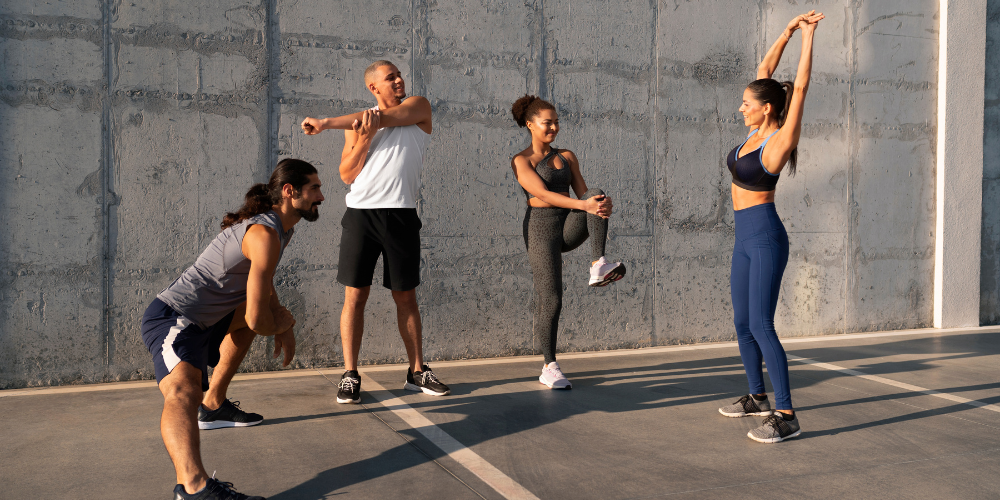
Flexibility and mobility exercises might not directly build muscle. But they play a significant role in your overall fitness. As you age, maintaining flexibility helps prevent injuries and ensures you can perform strength training exercises with proper form.

Incorporate stretching and mobility work into your routine. Yoga and Pilates are fantastic for improving flexibility, balance, and core strength. These practices complement your muscle-building efforts and contribute to your overall health.
Get Adequate Rest and Recovery
How to build muscle mass after 50 with rest, you ask? Well, rest and recovery are just as important as the workout itself. As you age, your body needs more time to recover. Ensure you are getting enough sleep, as this is when your body repairs and builds muscle.
Listen to your body. If you are feeling sore or fatigued, give yourself an extra day off. Incorporate rest days into your routine and consider activities like light stretching or a leisurely walk on these days. Proper recovery ensures you can perform at your best in your next workout session.